

Justin Gallen surmises the line
What do you paddle when your local creek is floating houses? Whatever you can without certain death, that’s what.

Jon Govi in his element
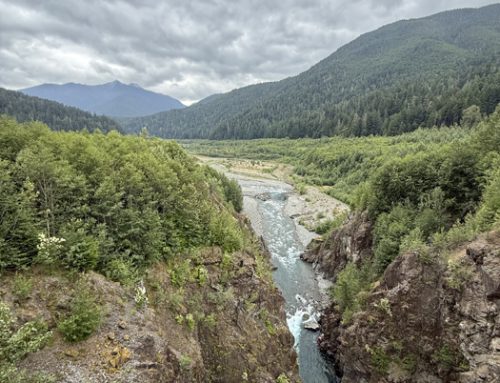
Newman Canyon was the choice, a little creek in the forest that is the main source of a Flagstaff water supply—the Lake Mary reservoir. Two hundred cubic feet per second braided through the forest on the uppermost Weimer Springs fork where we launched.

There were waterfalls in every draw. There were rapids. There were trees. In the river.

Jon Hirsh forest creeking
Six miles later, 200 had grown to 3,000, filling our local “lake” via rollicking rapids.

Jesse Perry sending it
And still it rained. It was a fitting end to Flagstaff’s 2nd wettest October ever recorded—6.3″ of rain—and that’s not counting the 3.4″ that fell after midnight on November 1st. Can you hear the bellowing voice of the Sabado Gigante host? SUPER EL NINO!

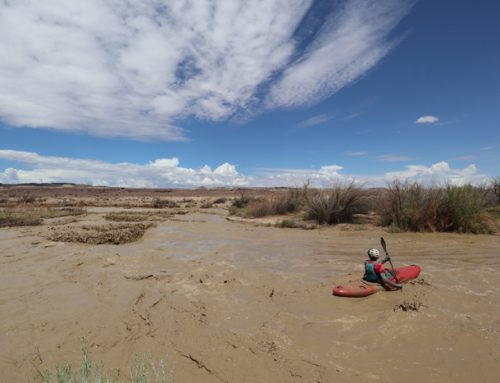
Carrying into Dry Beaver Creek after the rain
One notable factoid about the high flows listed below: They occurred with NO snowpack in place. Virtually every comparable high water event on the streams listed below (except the LCR) happened with a rain-on-snow event. This Autumn’s high water was purely derived from rainfall. Strange times.
Some notable high flows:
Little Colorado River at Cameron 20,000 cfs October 22 (estimated – gauge broke at 17,800)
Chevelon Canyon 22,500 cfs November 1
Oak Creek at Sedona 17,300 cfs November 1
Sycamore Canyon 24,100 cfs November 1
Verde River at Chasm Crek 111,000 cfs November 2
Tonto Creek 56,400 cfs November 1 (gauge broke 1 hr after reading)
Salt River at Put-in 84,900 cfs November 1 (new record)



Leave A Comment